

 See My Latest Article on HelloNation
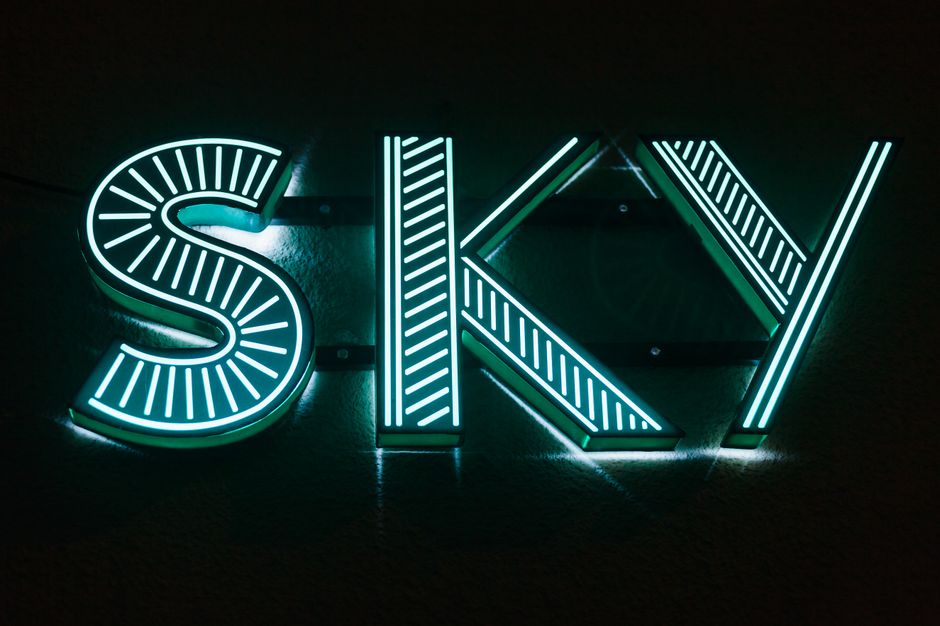
Illuminated signs are signs that use electric light to remain visible after dark. They can improve nighttime legibility, support wayfinding, and help residents identify a building or entrance, but their design involves more than choosing a bright light. Electrical safety, glare, weather exposure, maintenance, energy use, and local regulations all affect whether an illuminated sign performs well.
What counts as an illuminated sign?
An illuminated sign contains a light source that makes lettering, symbols, or the sign surface visible in low-light conditions. Common types include:
- Internally illuminated signs: Light is installed inside a cabinet, channel letter, or formed face.
- Reverse-illuminated signs: Light shines behind raised letters, creating a halo effect on the mounting surface.
- Externally illuminated signs: Fixtures mounted above, below, or beside the sign shine onto its face.
- Electronic message signs: Digital displays use changing text, graphics, or images.
- Architectural or decorative lighting: Lighting may highlight a sign, entrance, or building feature without making the entire sign glow.
These categories can look very different at night. An internally lit sign often provides the most even visibility, while external lighting may better suit traditional buildings or signs with a solid face. Reverse illumination usually creates a softer appearance, but it depends heavily on the color and texture of the wall behind the letters.
Why do illuminated signs need special planning?
Lighting changes how a sign is read, how surrounding properties are affected, and how the sign performs over time. A design that looks balanced during the day may appear overly bright at night, particularly against a dark background.
Good planning considers:
- Viewing distance and the speed of passing vehicles
- Whether pedestrians or drivers are the primary audience
- The sign’s position relative to windows, sidewalks, and intersections
- Background colors and nearby lighting
- The amount of information displayed
- How the sign will be accessed for maintenance
- Exposure to heat, humidity, rain, and storm conditions
In Columbia, SC, hot summers, intense sunlight, humidity, and seasonal storms can place extra stress on sign faces, wiring, seals, and mounting hardware. Materials that perform well in dry conditions may require more frequent inspection in a humid environment.
How bright should an illuminated sign be?
A sign should be bright enough to read clearly without creating glare. Excessive brightness can reduce legibility because it causes visual discomfort or makes the surrounding area appear unusually dark by comparison.
Brightness depends on the sign’s size, face color, viewing distance, surrounding light, and whether it is intended for daytime or nighttime use. White or light-colored faces generally need less illumination than dark faces. Digital signs may also require automatic nighttime dimming so they do not remain at daytime brightness after sunset.
A useful test is to view the sign from the intended direction at night. If the light source is the first thing noticed, rather than the wording or symbol, the sign may be too bright or poorly shielded. Fixtures should be aimed carefully so light falls on the sign instead of into nearby homes, traffic lanes, or the eyes of pedestrians.
Which lighting methods are most practical?
Light-emitting diode, or LED, systems are common because they use relatively little electricity, generate less heat than many older technologies, and are available in different color temperatures and brightness levels. They still require proper installation and maintenance. An LED system can fail unevenly if individual modules, power supplies, or connections are damaged.
Fluorescent and other older systems may be found in existing cabinets. These signs can continue operating if properly maintained, but replacement parts and energy performance should be considered during renovation.
External fixtures can simplify access to the light source, but they must be positioned to avoid shadows and glare. Internal systems offer a cleaner appearance but may require removing a face or opening a cabinet for service.
The lighting method should match the sign’s construction. A shallow sign may not have enough depth for even internal illumination, while a deep cabinet may make external lighting unnecessary.
What electrical and safety issues should property owners understand?
Illuminated signs contain electrical components that must be protected from moisture, heat, vibration, and physical impact. Wiring should be enclosed and rated for the conditions where it is installed. Connections need weather-resistant protection, especially on freestanding signs or signs exposed to driving rain.
Warning signs of an electrical or mechanical problem include:
- Flickering or partially dark lettering
- Water inside a cabinet or behind a face
- Tripped breakers
- Discolored wiring or melted components
- Buzzing, crackling, or unusual heat
- Loose panels, cracked faces, or leaning supports
A sign that is attached to a building must also be securely mounted to the structure, not merely to a thin exterior finish. Freestanding signs need stable foundations and should be checked after severe weather. Electrical work, structural repairs, and work near energized components can create serious hazards and may require qualified personnel under applicable safety rules.
Are permits or local rules involved?
Many communities regulate illuminated signs through zoning, building, electrical, and sometimes historic-preservation requirements. Rules may address sign size, placement, projection over public areas, brightness, animation, operating hours, flashing effects, and distance from roads or residential properties.
Requirements can vary by property location and sign type. A replacement face may be treated differently from a new sign, and an electronic display may have additional restrictions compared with steady illumination. A property owner should verify current requirements with the appropriate local permitting authority before fabrication or installation.
This is especially relevant when a sign is near a public sidewalk, mounted on a shared commercial structure, placed in a residentially adjacent area, or connected to a new electrical circuit. Approval requirements may also apply to temporary signs, construction signs, and signs affected by changes to a building’s exterior.
How can glare and neighborhood impacts be reduced?
Illuminated signs should direct light toward the intended viewing area and limit spill onto neighboring properties. Shielding, lower output, automatic dimming, shorter operating hours, and non-flashing illumination can reduce disruption.
Digital signs require additional care because changing content attracts attention differently from a static sign. Rapid transitions, bright white backgrounds, and high contrast can be distracting, particularly near roadways. Static display periods and gradual transitions are generally easier for drivers and nearby residents to tolerate, subject to local rules.
The surrounding environment matters as well. A sign beside a brightly lit roadway may need a different treatment than one near homes or an otherwise dark streetscape.
How should illuminated signs be maintained?
Routine inspection helps prevent small problems from becoming electrical, structural, or visibility issues. A practical maintenance schedule includes checking the sign after major storms, cleaning the face and light shields, inspecting mounting hardware, and looking for water intrusion or fading.
Light output should be checked for uneven areas. A dark section may indicate a failed module, power supply, connection, or internal component. Dirt on the face or lens can also make a sign appear dimmer and encourage higher operating brightness than necessary.
Maintenance records are useful for noting repairs, electrical changes, weather damage, and dates of inspection. If the sign is difficult to access, located above a public walkway, or showing electrical damage, the work should be handled with appropriate safety controls rather than improvised.
What should be considered before choosing an illuminated design?
Start with the sign’s purpose. A building number, entrance marker, directional sign, and business identification sign each require different levels of visibility. Use readable lettering, sufficient contrast, and a layout that can be understood quickly.
Also consider how the sign will look when the power is off, how it will appear in bright sunlight, and whether future repairs can be completed without replacing the entire sign face. A restrained design with controlled illumination often remains useful longer than a brighter sign filled with unnecessary information.
For local properties, the most durable approach usually combines weather-resistant construction, protected electrical components, glare control, and a maintenance plan suited to heat, humidity, and storm exposure. Illuminated signage works best when visibility, safety, neighborhood compatibility, and long-term upkeep are planned together.