

 See My Latest Article on HelloNation
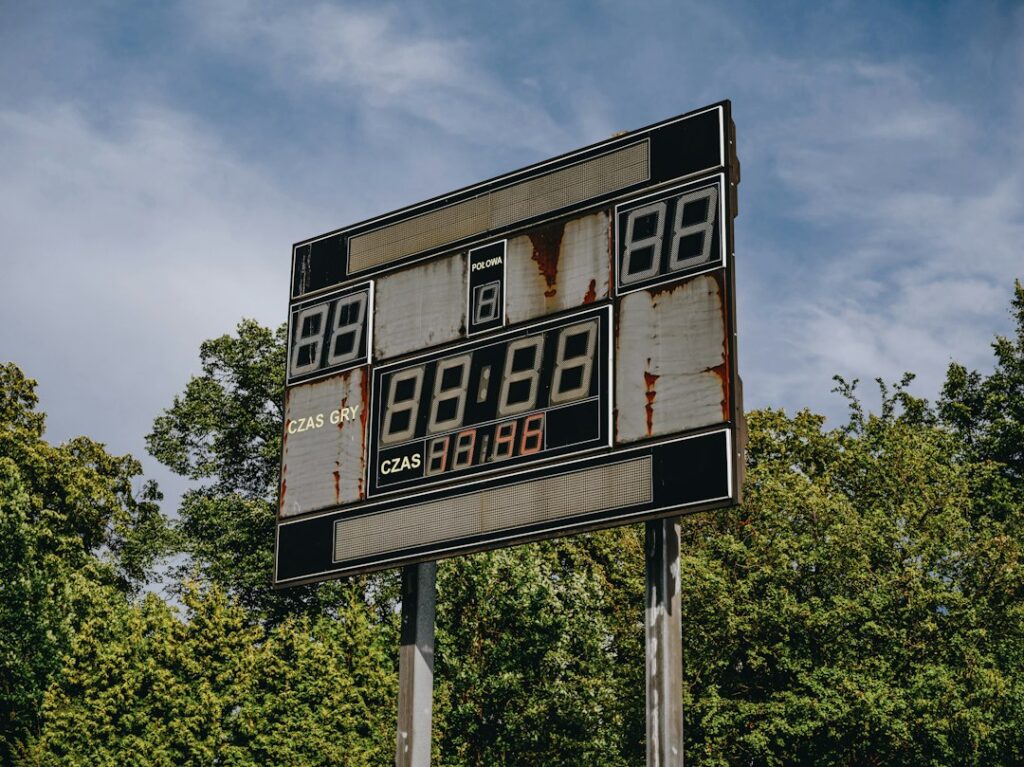
Outdoor signs are exposed to more than ordinary wear. Sunlight, heat, humidity, heavy rain, wind, and changing temperatures can gradually affect the sign face, lettering, mounting hardware, and supporting structure. In Columbia, SC, these conditions are especially relevant because outdoor materials may face long, hot summers, intense sunlight, frequent thunderstorms, and periods of high humidity.
Understanding how the environment affects a sign helps property owners choose suitable materials, recognize early damage, and avoid maintenance problems that become more expensive or hazardous over time.
How does sunlight affect outdoor signs?
Ultraviolet radiation from sunlight can fade colors, weaken plastics, and cause some films or painted surfaces to become brittle. Dark, highly saturated colors often show fading more noticeably than lighter colors, although the rate depends on the material and exposure.
Signs facing south or west may receive stronger afternoon sun. A sign mounted in an open area with no shade may deteriorate faster than a similar sign protected by trees, an overhang, or nearby structures.
Sun exposure may cause:
- Fading or uneven color
- Cracking in low-quality plastics
- Peeling, chalking, or blistering finishes
- Warping of thin sign panels
- Loss of contrast between lettering and background
A sign can still appear structurally sound while becoming harder to read because the lettering and background gradually lose contrast. This is a visibility issue as well as an appearance issue.
What role do Columbia’s heat and humidity play?
Heat accelerates the aging of many materials, while humidity keeps surfaces damp for longer periods after rain or overnight condensation. Together, these conditions can affect adhesives, painted coatings, electrical components, and metal hardware.
Repeated heating and cooling also cause materials to expand and contract. A rigid panel, frame, or fastener may respond differently from the surface attached to it. Over time, those differences can lead to loose edges, gaps, buckling, or stress around attachment points.
Humidity is especially concerning where water can collect. Common problem areas include:
- Bottom edges of sign panels
- Unsealed holes or cutouts
- Overlapping trim
- Fastener openings
- Enclosed cavities with limited ventilation
- Areas where dirt remains damp against a surface
Moisture does not always create immediate visible damage. It may first appear as discoloration, a soft edge, a loose letter, or corrosion around a fastener.
Can heavy rain and thunderstorms damage signs?
Yes. Rain can enter small openings and remain trapped behind trim, lettering, or mounting components. Repeated wetting and drying may cause wood-based materials to swell and shrink, while water can accelerate corrosion on unprotected metal.
Thunderstorms add wind pressure, flying debris, and sudden changes in weather. Even a sign that is properly mounted can experience stress during strong gusts. The most vulnerable components are often not the main panel but the connections holding it in place.
After severe weather, look for:
- Leaning or shifted panels
- Missing caps, trim, or fasteners
- Cracked faces
- Loose dimensional letters
- Torn flexible material
- Frayed wiring or exposed electrical parts
- New gaps between the sign and its mounting surface
A sign that is loose, sparking, sharply damaged, or hanging over a walkway presents a safety concern. Keeping people away from the area until the hazard is addressed is more important than preserving normal access to the sign.
How does wind affect sign structure?
Wind creates both direct pressure and repeated movement. A solid panel acts like a broad surface that catches air, while an open-frame or routed design allows more air to pass through. The effect depends on the sign’s size, shape, mounting height, orientation, and surrounding exposure.
Repeated movement can loosen fasteners even when no single storm causes obvious damage. Wind may also place stress on posts, brackets, welds, and wall anchors. Signs installed near open lots, wide driveways, or building corners may experience stronger airflow than signs located in sheltered areas.

A useful inspection should include the sign face and the supporting system. Check whether:
- Posts remain plumb
- Brackets show bending or rust
- Anchors are pulling away from the wall
- Fasteners are missing or backing out
- The panel moves excessively in moderate wind
- Cracks are forming near mounting holes
Structural movement should not be ignored simply because the sign is still standing.
Which sign materials resist weather best?
No material is completely unaffected by outdoor exposure. Durability depends on the material, its thickness, surface finish, installation method, and the conditions at the site.
Aluminum is commonly used for outdoor panels because it is lightweight and naturally more resistant to rust than ordinary steel. However, cut edges, scratches, and contact with dissimilar metals can still create corrosion concerns.
Acrylic and other plastics can provide a clean appearance, but some types may become brittle, clouded, or cracked after prolonged ultraviolet exposure. Their performance varies with formulation, thickness, and whether they are protected from direct sun.
Wood can be durable when properly sealed and maintained, but it is more sensitive to moisture. Unprotected end grain, joints, and lower edges are common entry points for water.
Painted or coated metal can last well when the coating remains intact. Scratches and chips expose the underlying surface, allowing oxidation to begin. Flexible sign materials may tolerate movement, but they can stretch, tear, or become brittle depending on exposure and tension.
The most suitable choice depends on the sign’s location rather than appearance alone. A shaded wall sign and a freestanding roadside sign may require different material strategies.
Why do fasteners and mounting hardware matter?
A sign’s surface can look fine while the hardware underneath is weakening. Fasteners made from unsuitable metal may corrode, especially when exposed to repeated moisture. Corrosion can stain the sign, reduce holding strength, and make future removal difficult.
Water can also collect where hardware meets the panel or wall. If sealant separates or a mounting hole is oversized, moisture may enter and remain trapped. This can damage both the sign and the surface supporting it.
Inspection should focus on early changes such as rust streaks, swollen holes, cracked sealant, loose washers, and movement around anchors. Hardware should be compatible with the sign material and the mounting surface. Combining dissimilar metals without appropriate separation can increase corrosion through galvanic action.
How often should signs be inspected?
A practical schedule includes a brief visual check every few months and a closer inspection after severe storms, high winds, or unusual heat. Signs near trees, irrigation, parking areas, or busy roads may need more frequent attention because they face additional moisture, debris, or physical impact.
Look at the sign from a distance first. Uneven color, leaning, glare, or reduced readability may reveal problems that are less obvious up close. Then inspect accessible edges, corners, hardware, supports, and electrical covers without climbing or opening components that may present a hazard.
Routine cleaning also helps reveal damage. Dirt and biological growth can hold moisture against a surface, conceal cracks, and make fading appear worse. Cleaning methods should match the material; abrasive tools and harsh chemicals may damage protective finishes.
Does maintenance prevent all weather damage?
No, but it can slow deterioration and identify problems before they affect safety or require major replacement. Maintenance cannot stop ultraviolet exposure, storms, or seasonal movement. It can reduce the effects of trapped moisture, loose hardware, clogged drainage paths, and unaddressed surface damage.
The most useful approach is to match the sign’s construction and inspection routine to its exposure. In Columbia, that means paying particular attention to strong sun, humid conditions, storm-related wind, and water collecting around edges or hardware. A sign that is checked periodically is more likely to remain readable, secure, and serviceable through changing seasons.