

 See My Latest Article on HelloNation
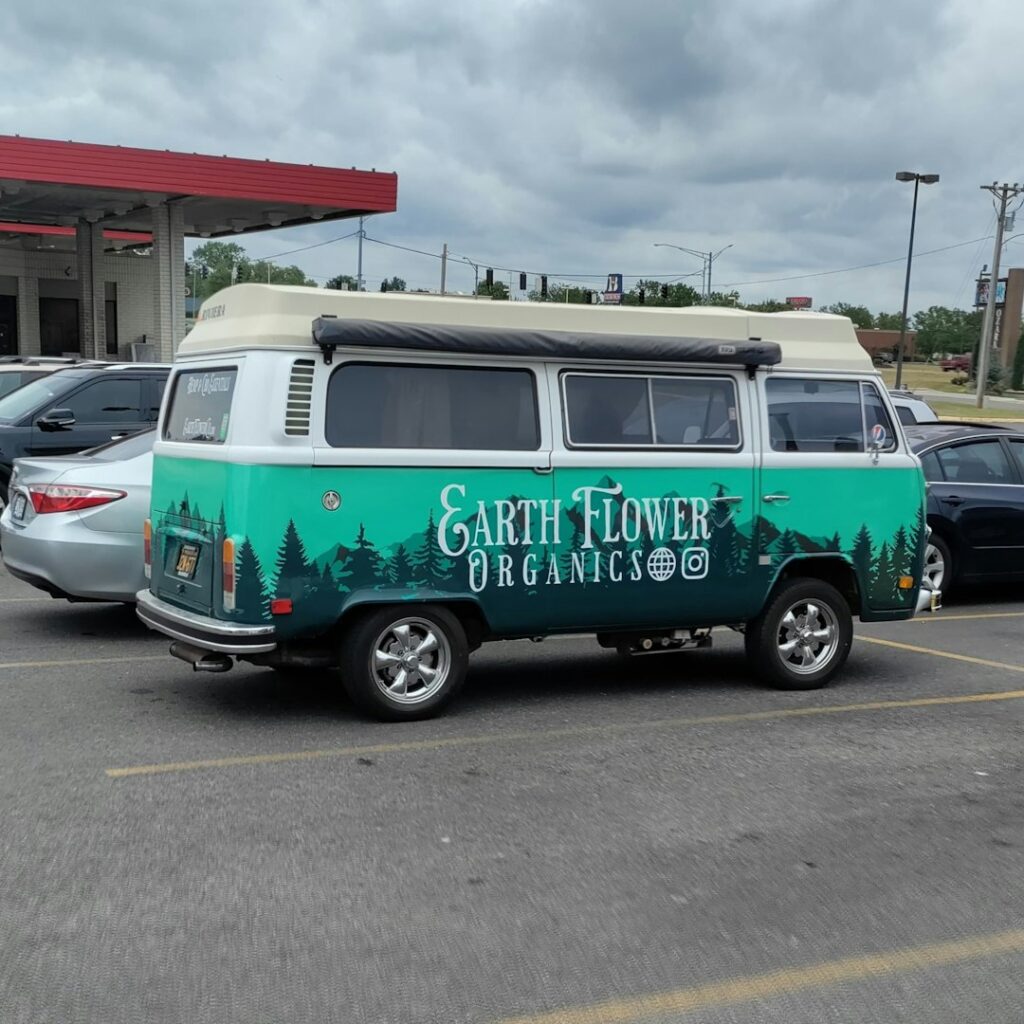
What is mobile signage?
Mobile signage is branding or informational messaging displayed on a vehicle that travels through public spaces. A vehicle wrap is one of the most visible forms because it can cover part or nearly all of a car, van, truck, or trailer with printed graphics, lettering, colors, and contact details.
For residents and small operators in Columbia, SC, a wrapped vehicle can function as a moving sign while traveling between homes, job sites, supply stops, and community events. Unlike a fixed sign, it is not limited to one building or intersection.
The main benefit is repeated exposure. People may notice the same vehicle several times over weeks or months, especially when it follows familiar routes or remains parked at active work locations.
How do vehicle wraps work as advertising?
Vehicle wraps communicate through large, quickly understood visual elements. A person may see a wrapped vehicle for only a few seconds, so the message must be readable without close inspection.
Effective mobile signage usually includes:
- A simple business or organization name
- A short description of the service or purpose
- A phone number, website, or other easy-to-remember contact method
- High-contrast colors
- Large lettering with generous spacing
- A recognizable symbol or graphic
A wrap is not the same as a brochure. It cannot explain every service, list every qualification, or present a long offer. Its job is to create recognition and give viewers enough information to remember or look up the organization later.
What are the main benefits of vehicle wraps?
Vehicle wraps offer several practical advantages beyond appearance.
They provide repeated visibility
A vehicle can be seen while driving, parked, loading materials, or waiting at a job site. This creates multiple opportunities for recognition without requiring a separate sign at every location.
Repeated exposure also helps unfamiliar names become familiar. A person who does not need a service immediately may still remember the vehicle later when a need arises.
They use an existing asset
A car, van, truck, or trailer already travels through the community. Adding graphics allows that existing asset to serve a second purpose as mobile signage.
This can be useful for organizations that operate in multiple neighborhoods or do not have a permanent public-facing location. The vehicle carries the message wherever normal work or household routines take it.
They work in both moving and stationary settings
A wrapped vehicle is visible in traffic, but parked exposure may be even more useful. Vehicles often remain in driveways, near residential work areas, at community gatherings, or outside public facilities for longer periods.
A well-designed layout should therefore be readable from a distance and at a standstill. Side panels are especially valuable because they may face pedestrians or passing traffic for several minutes.
They can create a more consistent public presence
A vehicle wrap can help an organization appear established and easy to identify. Consistent colors, lettering, and symbols across multiple vehicles make it easier for residents to recognize authorized workers or volunteers.
That recognition can also support practical safety. Residents are more likely to understand who is associated with a vehicle when the message is clear and consistent.
Are vehicle wraps permanent?
Most vehicle wraps are considered semi-permanent rather than permanent. They are designed to remain in place for an extended period but can generally be removed without repainting the vehicle when the film, adhesive, and underlying finish are properly managed.
The actual service life depends on several factors:
- Quality of the vehicle surface
- Preparation before installation
- Exposure to sunlight and heat
- Washing methods
- Length of time the wrap remains installed
- Condition of the vehicle’s paint
Columbia’s hot summers, strong sunlight, humidity, pollen, and occasional severe weather can affect the appearance of exterior graphics. Regular cleaning helps prevent dirt and organic material from building up around seams and edges. Harsh chemicals, abrasive brushes, and poorly maintained automatic washes may shorten the useful life of the graphics.
A wrap should not be applied over severely peeling paint, loose clear coat, rust, or significant body damage. The film may follow the condition of the surface and could become harder to remove later.
Does a vehicle wrap protect the paint?
A wrap can provide a degree of protection from ordinary surface exposure, including sunlight, minor road dust, and light abrasion. It is not a substitute for paint protection designed for impact, and it will not prevent dents, deep scratches, or damage from collisions.
Protection varies by the material, installation, maintenance, and condition of the vehicle. The covered areas may age differently from uncovered areas, particularly if the original paint has already faded. When a wrap is eventually removed, differences in color may be visible.
For leased vehicles or vehicles that may be sold, the owner should review applicable agreements before adding graphics. Some contracts may address alterations, removal, or vehicle condition at the end of the lease.
What makes a vehicle wrap readable?
The strongest designs are simple enough to understand at a glance. Too much information can make the vehicle look busy and reduce the chance that anyone remembers the message.

Important design factors include:
- Letter height that matches viewing distance
- Strong contrast between text and background
- Uncluttered areas around the main message
- Text placed on relatively flat body panels
- Limited use of decorative fonts
- Important information kept away from door seams, handles, hinges, and heavy curves
A vehicle’s shape affects the final result. Wheel wells, windows, mirrors, bumpers, and door gaps can interrupt lettering or distort graphics. The design should be planned around those features rather than treating the vehicle as a flat rectangle.
Reflective materials, bright colors, or large graphics may attract attention, but they should not interfere with headlights, turn signals, license plates, required markings, or the driver’s visibility.
What local conditions should Columbia residents consider?
The regional climate makes maintenance and material selection relevant. Heat can increase stress on adhesives and films, while humidity and airborne pollen can make surfaces look dull or dirty between washes.
Parking habits also matter. A vehicle kept outdoors all day may experience more ultraviolet exposure than one stored under cover. During periods of heavy rain or storms, loose edges or damaged areas should be checked before moisture works underneath the film.
Road conditions and daily mileage can influence wear as well. Lower panels may collect more grit, especially on trucks and vans used around construction areas, unpaved driveways, or roadside work zones.
Routine care is straightforward:
- Wash dirt away with mild soap and clean water.
- Use soft cloths or non-abrasive tools.
- Dry around edges and seams.
- Inspect corners, door edges, and wheel openings.
- Avoid picking at lifted sections.
- Remove bird droppings, tree residue, and spilled chemicals promptly.
Are vehicle wraps subject to rules?
Vehicle graphics must not block required lights, license plates, windows, safety markings, or the driver’s field of view. They also should not imitate emergency vehicles or create confusion about official government markings.
Rules can vary depending on whether the vehicle is privately owned, commercially operated, used for transportation, or parked in a regulated location. Property owners, residential communities, event organizers, and public agencies may also have separate rules about where marked vehicles can remain.
The safest approach is to verify applicable vehicle, parking, and property requirements before applying graphics, particularly when the design includes large text, window film, lighting, or unusual reflective elements.
Is a vehicle wrap useful for every vehicle?
Vehicle wraps are most useful when the vehicle is on the road regularly, remains visible in public areas, or serves multiple locations. A frequently parked vehicle may still benefit from graphics, but the design should emphasize the sides and rear if those surfaces receive the most attention.
A partial wrap or simpler lettering may be more suitable for some vehicles. The right choice depends on the vehicle’s condition, expected use, storage conditions, desired service life, and amount of information that must be shown.
Mobile signage works best when it is treated as a communication tool rather than decoration. Clear wording, strong contrast, careful placement, and routine maintenance allow a vehicle to remain useful as a recognizable public message throughout its normal working life.