

 See My Latest Article on HelloNation
Can Custom Signs Draw More People to a Location?
Custom signs can help attract more foot traffic by making a business or organization stand out along busy streets, shopping centers, or community gathering spots. In Columbia, SC, well-designed signs provide both visibility and personality, which can make a location more noticeable and inviting for passersby compared to unnamed or poorly marked entrances.
What Makes a Custom Sign Effective in Attracting Passersby?
An effective sign does more than display a name. The right design grabs attention, communicates essential information quickly, and reflects the character of the place.
Key features of effective custom signage include:
- Clear, legible text that’s readable from a distance
- Colors and contrast that stand out in local lighting and weather conditions
- Placement that catches the eye at natural stopping points—such as crosswalks, sidewalks, or parking lot entrances
- Messaging tailored to local interests or needs
In Columbia’s humid climate, materials and finishes should also withstand sun, rain, and seasonal storms. Faded or damaged signs can have the opposite effect, making a location seem neglected or closed.
Do Local Residents Pay Attention to Signs, or Just Digital Options?
Despite the popularity of digital advertising, signs remain important. For many area households, trips to local shops, markets, or recreation sites involve walking or driving past dozens of businesses and public spaces. Residents often make spontaneous stops based on curb appeal, and interesting or clear signage is often what makes them pause.
- In areas with heavy foot traffic like city streets near parks or schools, an eye-catching sign can prompt a visit from someone not originally planning to stop.
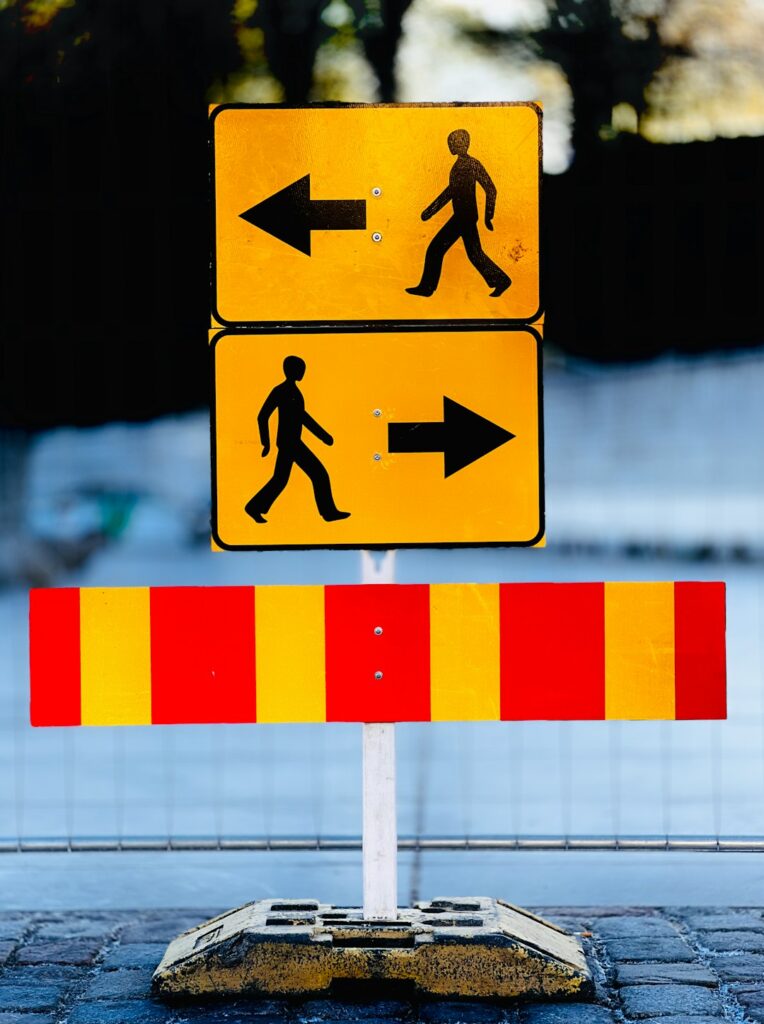
- For locations a bit off main routes, directional or sidewalk signs can direct people to look left or right when they otherwise might pass by.
Some local events and neighborhood favorites are still discovered primarily by noticing good signage, especially for new residents, students, or visitors.
What Local Factors Can Enhance or Limit a Sign’s Impact?
In a mid-sized city like Columbia, several practical factors affect how well a custom sign increases walk-in traffic:
- Zoning and sign ordinances set limits on size, placement, and sometimes lighting—especially in historic districts or near residential areas.
- Trees, utility poles, or parked cars can block visibility, particularly along narrower streets or older neighborhoods.
- Lighting impacts after-dark visibility. In high-foot-traffic corridors with evening activity, well-lit signs can attract residents out for dinner, shows, or community events.
For signs located in shopping centers or near large public institutions, coordinating with neighbors or the property manager can improve overall visibility without creating clutter.

Can All Types of Locations Benefit Equally?
Not every place gains the same results from custom signage. Small independent shops or locally owned cafes may see a more dramatic impact compared to larger or well-known destinations. Likewise, schools, churches, and civic facilities often use custom signs to clarify entrances or event details, which can boost attendance and reduce confusion.
However, for remote or hard-to-access sites, even excellent signage has limits if there’s little existing foot traffic. Strategic placement—such as at intersections, along pedestrian paths, or at community boards—can be more effective than simply installing a large sign near the door.
Are There Common Mistakes That Reduce a Sign’s Effectiveness?
Several frequent issues can prevent custom signs from reaching their potential:
- Overly busy designs with too much text or clutter, making the message confusing
- Choosing colors that blend into building facades or surrounding landscaping
- Relying on small fonts or script letter styles that are hard to read quickly
- Placing signs where they’re blocked by awnings, columns, or parked vehicles
Outdated information—such as old promotions or faded graphics—can also deter local residents who may assume the place is no longer active or relevant.
How Do Seasonal Changes Affect Sign Visibility and Impact?
In the city’s hot summers and variable winters, weather resilience matters. A sign that holds up in direct sunlight and heavy rain is more likely to continue pulling in visitors over time. During the winter holidays or local sports seasons, many locations use custom banners or temporary yard signs to signal special offerings or events—a practical way to increase foot traffic during peak periods.
Can Community Signage Shape Local Habits?
Custom signs do more than boost business—they also guide community participation and awareness. Public parks, historic sites, arts venues, and farmers markets all use eye-catching custom signage to invite area households to engage. Over time, the look and quality of these signs can help make spaces feel more welcoming and part of the neighborhood’s identity.