

 See My Latest Article on HelloNation
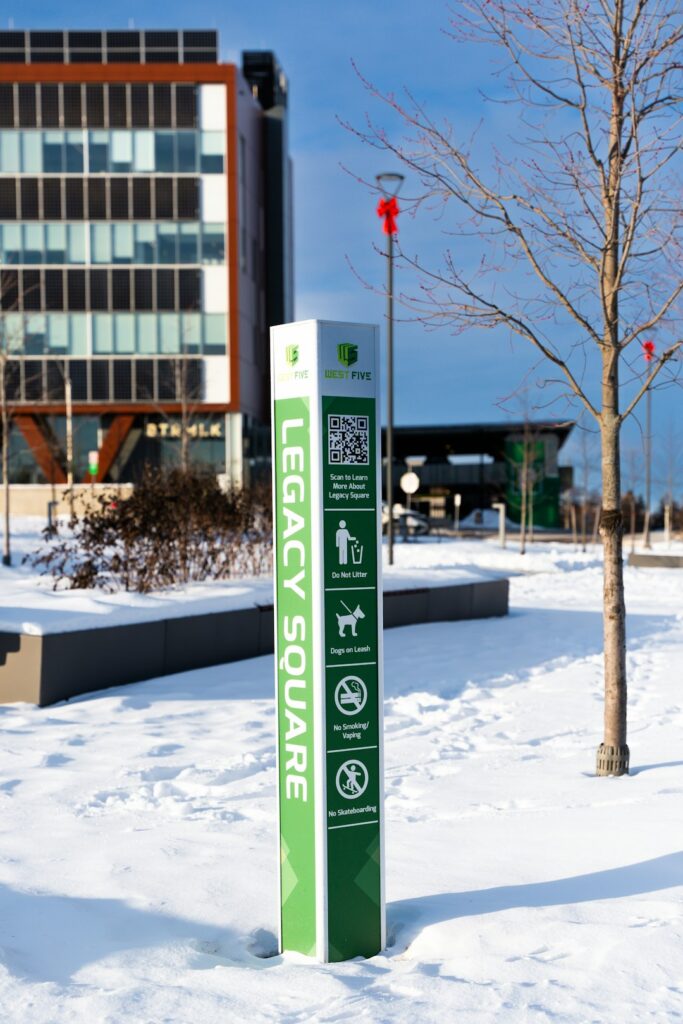
Why Does Columbia, SC Require Permits for Custom Signs?
Permits ensure that custom signage throughout Columbia, SC is safe, non-disruptive, and consistent with community standards. The city’s sign regulations help protect visual appeal, support safety for drivers and pedestrians, and prevent conflicts with local zoning.
Permits are required for most permanent signs, including those for homes, home-based businesses, and community events displayed in public view. This process also helps address common questions about size restrictions, lighting, and placement.
What Types of Signs Need a Permit in the City?
Most permanent outdoor signs need approval, but there are exceptions. In Columbia, permits are typically required for these types:
- Freestanding signs (such as yard or pole-mounted)
- Building-mounted signs (wall, fascia, or awning signs)
- Illuminated or electric signage
- Monument or directory signs for neighborhoods or multi-tenant properties
The following often do not require a permit, provided they meet specific size and duration rules:
- Temporary event banners, such as for yard sales or seasonal celebrations
- House numbers
- Real estate or political signs, if within designated size limits
Always review city regulations or consult the local planning department to confirm whether your exact sign type is exempt. Overlooking this step is a frequent error.
How Does the Sign Permit Process Work?
Applying for a permit involves submitting detailed plans to the city. The process generally includes:
- Completing a city sign permit application, available through the Community Planning & Development Department
- Submitting scaled drawings showing the exact dimensions, design, materials, and planned location
- Providing site plans or property sketches, especially for freestanding signs
- Indicating whether your sign will be lit, which may require additional electrical documentation
City staff will review these materials to ensure the proposed signage complies with local zoning, safety, and design standards. The review can take several days to a few weeks, depending on workload and sign complexity.
What Documents Are Typically Required?
To avoid delays, gather these common documents before applying:
- Detailed sign design (dimensions, colors, materials)
- Site plan or building elevation when applicable
- Proof of property owner’s approval (if different from applicant)
- Structural drawings for larger or illuminated installations
- Electrical permits for powered signs
Incomplete applications are a main reason for permit slowdowns. Always double-check details like total square footage and placement measurements.
Are There Restrictions on Size, Lighting, or Placement?
Yes, the city’s sign ordinance sets clear limits based on property type, zoning, and sign category. For example:
- Residential areas generally allow smaller signs than commercial districts
- Signs cannot block sidewalk access, sight lines for vehicles, or public utilities
- Most illuminated signs face stricter review, especially near homes, to reduce light pollution
It is common for residents to unintentionally exceed height or area limits, so requesting a copy of the ordinance or reviewing examples provided by city staff is worthwhile.

Who Issues Permits, and Where Do You Apply?
The Community Planning & Development Department handles all sign permitting for Columbia, SC. Applications can be made online or in person at city offices.
Some projects, such as neighborhood entry signs or signs in historic districts, may require an additional review by a design board before a permit is issued.
For signs on state roads, approval from the South Carolina Department of Transportation may also be required. The city will advise if this step applies.
How Long Does Approval Take, and What Fees Should Be Expected?
Turnaround times vary, but straightforward applications may be approved within ten to fifteen business days. Complex, illuminated, or multi-part installations generally take longer.
Permitting fees are based on sign type, size, and complexity. The city’s current fee schedule is posted on the official Community Planning & Development Department website. Fees are non-refundable, even if the sign is later denied, so careful preparation is key.
What Happens If a Sign Is Installed Without a Permit?
Installing custom signage without required permits is a violation of city policy. Possible consequences include:
- Fines or daily penalties until compliance is achieved
- Required removal of the non-permitted sign
- Difficulty obtaining future permits if flagged for violations
Many residents underestimate enforcement, but periodic city inspections are common, especially after neighbor complaints or complaints about safety.
Common Misconceptions and Overlooked Issues
Several issues often catch area households by surprise:
- Believing all signs on private property are exempt—many residential signs need approval
- Assuming temporary banners or election signs never need permits—size matters
- Forgetting electrical safety rules for lighted signage
- Overlooking homeowner association (HOA) rules or neighborhood covenants, which may be more restrictive than city ordinances
Each of these can lead to frustration or unexpected costs, making early review of local requirements worthwhile.
Where to Find Reliable Guidance
The most reliable source for signage rules is the city’s Community Planning & Development Department. City staff can clarify requirements, supply application forms, and answer questions about unique situations, such as corner lots or special event signs.
Public information sessions, city websites, and planning department reference materials often provide step-by-step instructions and examples to make the process easier for residents.