

 See My Latest Article on HelloNation
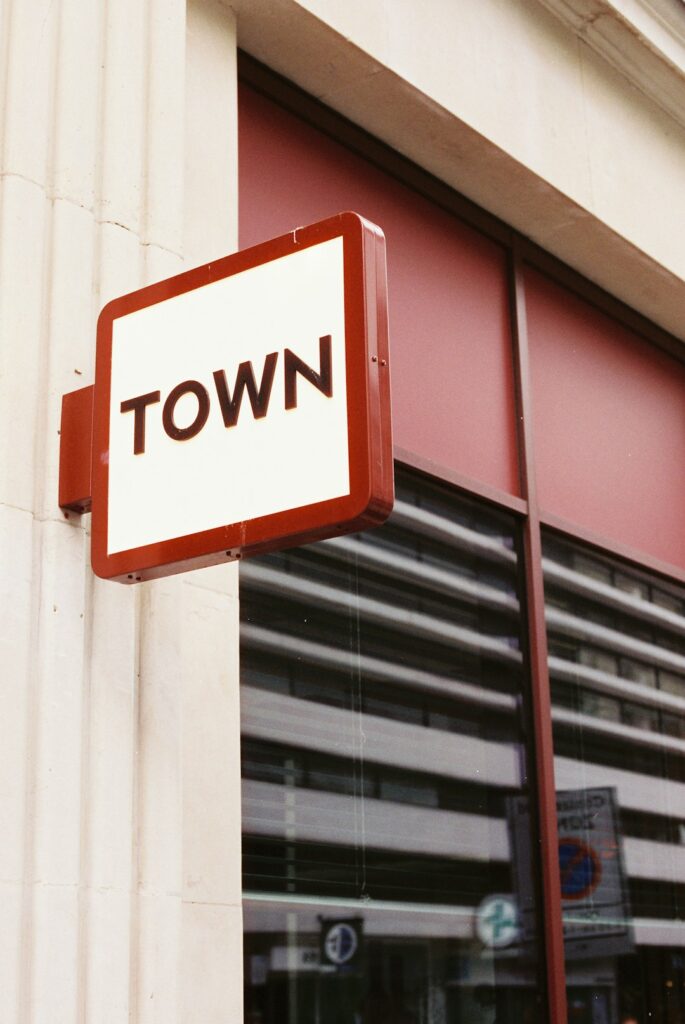
How Does Sign Location Affect Visibility and Impact?
The positioning of a sign directly shapes how effectively it communicates its message to those passing by. In Columbia, SC, local climate, street layouts, and traffic patterns all play a unique role in determining where signs will be most visible and impactful.
Factors to consider include:
- Traffic flow: Signs facing the primary direction of vehicle or foot traffic see higher visibility.
- Obstructions: Mature trees, power poles, or shrubbery are common in the city and can block sightlines.
- Lighting: Day and nighttime visibility matter, especially since weather can quickly change from sunny to rainy.
Choosing a spot that avoids shadows from neighboring buildings and trees improves readability, particularly during late afternoon or early morning hours often encountered during Columbia’s longer summer days.
What Height and Angle Work Best for Local Residences and Businesses?
For most yard, directional, or storefront signs in residential and commercial parts of the city, readable height and angle are essential for making text legible at a glance.
- Freestanding signs are typically clearest at 4-6 feet above ground for pedestrians.
- For vehicles, signs are easier to read when angled toward approaching traffic and set back far enough from the curb for drivers to focus safely.
- Avoid mounting signs too high on buildings: letters can blend into backgrounds or become difficult to see from the street.
In neighborhoods with sidewalks, placing signs perpendicular to both pedestrian and automotive flow increases chances of being noticed. For corner properties, double-sided or wrap-around angles maximize reach.
Are There Local Regulations or Neighborhood Guidelines to Follow?
Always check local codes and neighborhood association rules before installing signage. Columbia, SC has specific regulations for different zoning areas that can affect:
- Maximum sign dimensions
- Required set-back distances from streets or sidewalks
- Restrictions on illuminated or moving signs
Failing to follow these rules can result in removal orders or fines. For those living in planned communities or historic districts, homeowners’ associations may also have standards governing appearance, size, and location.
How Does Seasonal Weather Impact Sign Longevity and Legibility?
Columbia’s hot summers, humidity, and occasional severe storms can affect how long a sign lasts and how well it is seen from season to season.
- Direct sun exposure can fade bright colors, so choose placements with some natural shade if possible.
- Areas prone to pooling rainwater may cause wooden or metal signs to deteriorate faster.
- Spring and autumn pollen can coat surfaces, so easily accessible placements allow for quicker cleaning.
Signs exposed to frequent afternoon thunderstorms should be securely anchored and made of weather-resistant materials.
What Are Common Mistakes with Sign Placement?
Some signs in the community are overlooked or ignored because of easily avoidable missteps:
- Placing signs too far from the most-used paths, such as around the back side of driveways.
- Blocking important sightlines, like house numbers or parking entrances.
- Positioning near distractions: For example, signs right beside busy intersections with lots of other visual clutter lose effectiveness.

A simple site survey—walking or driving past the spot at different times—can reveal these issues and help fine-tune optimal placement.
Should Lighting Be Considered for All Signs?
While not every sign requires direct lighting, for those meant to be visible in the evening—such as address numbers or security notices—lighting takes on added importance.
- Solar-powered stake lights work well for yard signs located away from power sources.
- For signs under awnings or on porches, ensure indoor lights reach the placement area after sunset.
- Be mindful of glare: Overly bright lights or poorly directed beams can make signs harder to read.
In many local neighborhoods, soft, downward-facing illumination is both effective and complies better with community preferences for subtlety.
How Can Landscaping Enhance or Diminish Sign Effectiveness?
Shrubs, trees, and landscaping elements are common features in many local yards and business frontages. While attractive, these features sometimes block signs.
Consider these options:
- Trim hedges or lower plants near sign placements.
- Position signs at natural focal points where walkways or paths enter a property.
- Avoid placing signs where new plantings may grow quickly and cover the display within a season.
Garden beds can frame a sign beautifully but should not overwhelm it or create hiding spots for debris.
What Local Context Should Be Taken Into Account?
Unique aspects of the city—such as the blend of historic and newer neighborhoods, and the frequent presence of large trees and utility poles—deserve thoughtful attention.
- In areas with frequent bicycle or foot traffic, keep signs low enough for walkers and cyclists but high enough not to block view or trip hazards.
- Streets that slope or curve can affect sightlines—always test from several angles and distances.
- For major routes where traffic moves quickly, use larger fonts and simpler messages so signs can be absorbed at a glance.
Taking a moment to observe how neighbors have placed their signs can provide practical context for what works well in specific parts of the community.