

 See My Latest Article on HelloNation
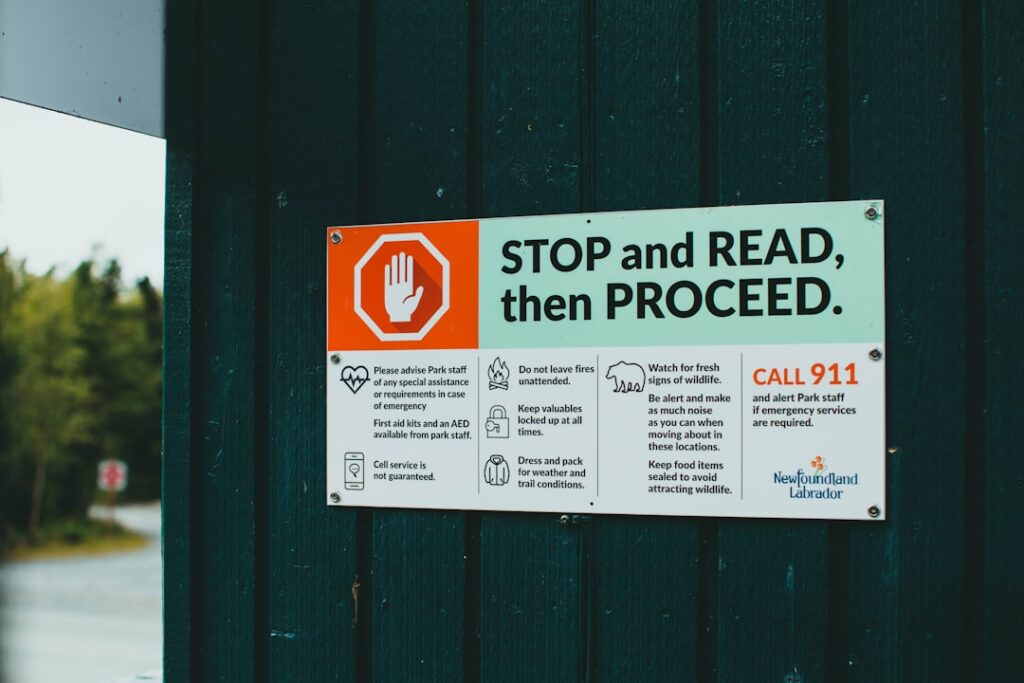
Why Are Safety Signs Necessary in Columbia, SC?
Safety signs guide behavior and alert people to hazards in all types of spaces. In cities like Columbia, SC, where public parks, schools, industries, and neighborhoods intersect, clear signage prevents accidents and makes both residents and visitors safer. Local requirements may also mandate certain types of warning signs on construction sites, in schools, or near road work, making it essential to understand not just why signage is needed, but how to do it right.
What Makes a Safety Sign Effective?
An effective safety sign quickly communicates its message, even to someone unfamiliar with the location. The best signs achieve this with visible placement, easy-to-read text, clear symbols, and an uncluttered design. In the heat, humidity, and frequent storms typical of Columbia, durability is another crucial factor—faded or damaged signs can cause confusion and increase risk.
Core Elements of Effective Safety Signs
- Legible Text: Use simple, bold fonts that are easy to read from a reasonable distance.
- Clear Symbols: Internationally recognized symbols (like the biohazard sign or fire extinguisher icon) make messages universally understandable.
- Consistent Colors: Standard color codes improve recognition (e.g., red for prohibitions, yellow for hazards, green for safe actions).
- Simplicity: Too much wording or complex graphics distract from the main message.
Local conditions also influence design choices. For example, high humidity may mean choosing UV-resistant, waterproof materials to ensure signs remain readable after storms or sun exposure.
How Do You Choose the Right Message and Location?
A safety sign’s message must match the specific risk or required behavior at each location. For Columbia residents, this might range from pool safety signs in community spaces to “Caution: Flood Area” markers near the Congaree River.
Questions to Ask Before Installing a Sign:
- What is the specific hazard or instruction?
- Who needs to see this sign—children, workers, the general public?
- Is the sign visible and unblocked from all relevant approaches?
- Does the area’s lighting and environment affect how the sign is seen at different times of day or during storms?
Carefully consider height as well; mounting signs at eye level is generally best, but sidewalk-level or elevated signs might serve special purposes in busy areas or large facilities.
What Local Standards or Regulations Apply?
Safety signage often falls under both local and national rules. In Columbia, national Occupational Safety and Health Administration (OSHA) standards set requirements in workplaces, while schools or public agencies may have their own detailed policies.
Key Points on Compliance:
- Public spaces and workplaces usually require specific symbols or wording formats.
- Reflective materials might be needed for visibility at night in some outdoor environments.
- Signs near roadways or pedestrian routes may have to meet Department of Transportation standards, especially during construction projects.
Always confirm whether permission is needed before placing signs in public areas, shared property, or along roads.
Are There Common Mistakes Residents Should Avoid?
Several avoidable mistakes reduce a safety sign’s effectiveness or even create confusion:
- Using Unclear Wording: Phrases like “Be Careful” are vague; instead, specify the hazard (“Watch for Ice” or “Slippery When Wet”).
- Placing Too Many Signs Together: Grouping multiple signs in one area can overwhelm people, causing them to ignore all the information. Prioritize the most urgent hazard.
- Neglecting Upkeep: In the Midlands’ climate, mold, fading, or storm damage can make signs unreadable within a season.
- Ignoring Language Needs: For areas with non-English speakers, adding simple pictograms or required translations helps ensure everyone understands.
- Improper Sizing: A sign that’s too small to be seen, or with text that’s not legible from necessary distances, loses value.
How to Maintain Safety Signs Once Installed

Maintenance is as important as the initial installation in Columbia’s variable weather. Check signage after major storms, severe heat waves, or periods of heavy pollen (which can obscure text and symbols).
Maintenance Tips:
- Clean signs regularly with gentle, non-abrasive agents to remove dirt and plant debris.
- Inspect for rust, fading, or peeling—especially on metal or vinyl signs.
- Replace damaged or unclear signs promptly rather than making temporary fixes.
- Trim plants and remove obstacles that block line-of-sight to important signs.
What About Accessibility and Inclusivity?
Safety signs must be usable by everyone, including those with visual or color-vision impairments. In Columbia’s public buildings, schools, and community areas, ADA (Americans with Disabilities Act) guidelines help ensure all residents receive the message.
Ways to Improve Accessibility:
- Use high-contrast color combinations and avoid relying only on color to communicate meaning (pair symbols with text).
- Opt for simple language and large, readable fonts.
- Add tactile or Braille elements in indoor public areas when feasible.
Examples: Effective Safety Signs for Columbia Households and Spaces
Local residents may need safety signage in a wide variety of settings:
- Home Pools: Warning signs stating “No Diving” and “Children Must Be Supervised” using clear text and images help reduce accidents.
- Neighborhood Playgrounds: “Please Close Gate” or “Dogs Not Allowed” should be easy for children and caregivers to understand.
- Apartment Complexes: Emergency exit signs must stay illuminated and readable at all times, especially during frequent summer storms that may lead to power outages.
- Natural Areas: Reminders about wildlife or flood-prone zones benefit from icons and durable, weather-resistant materials to survive Columbia’s seasonal downpours.
Local homeowners’ associations and property managers may have requirements, so reviewing these rules ensures all signs are both effective and compliant.